

Lead (II) Carbonate
Properties
Product #
2214
Name
Lead (II) Carbonate
Formula
PbCO3
Purity
99.99%
CAS Number
598-63-0
Molecular Weight
267.2
Color & Form
White powder
Melting Point
400° C
Specific Gravity
6.14
Solubility in water
Insoluble
- We can offer items in bulk or custom. For other quantities or purities, please request a quotation.
- All prices are subject to change.
Related Products
Information about Lead (II) Carbonate / CAS 598-63-0
Historically, Lead (II) Carbonate (PbCO3) was used extensively in pigments, glazes, and stabilizers. Due to its toxicity, its use is heavily regulated in certain industries. However, its excellent durability, opacity, and resistance to weathering still makes it a valuable additive in industrial paints and coatings.
In addition to its applications in coatings, PbCO3 is used as a synthetic reagent for synthetic chemistry including its implementation as a stabilizer in the manufacturing of polyvinyl chloride (PVC). In more advanced research applications for photovoltaic cells, scientists at the University of Zululand synthesized Lead Telluride (PbTe) and Lead Selenide (PbSe) nanoparticles using Lead Carbonate (PbCO₃) as a precursor.
- Gervas, C., Mlowe, S., & Revaprasadu, N. (2016). Synthesis of PbTe and PbSe nanoparticles under the influence of hydrochloric acid and carbon dioxide. Materials Science in Semiconductor Processing, 56, 295–301. https://doi.org/10.1016/j.mssp.2016.09.001
- Crow, J. M. (2007, August 21). Why use lead in paint? Royal Society of Chemistry. https://www.chemistryworld.com/news/why-use-lead-in-paint/3004319.article
Safety
Transportation Information
UN3077, Environmentally hazardous substance, solid, n.o.s, 9, III
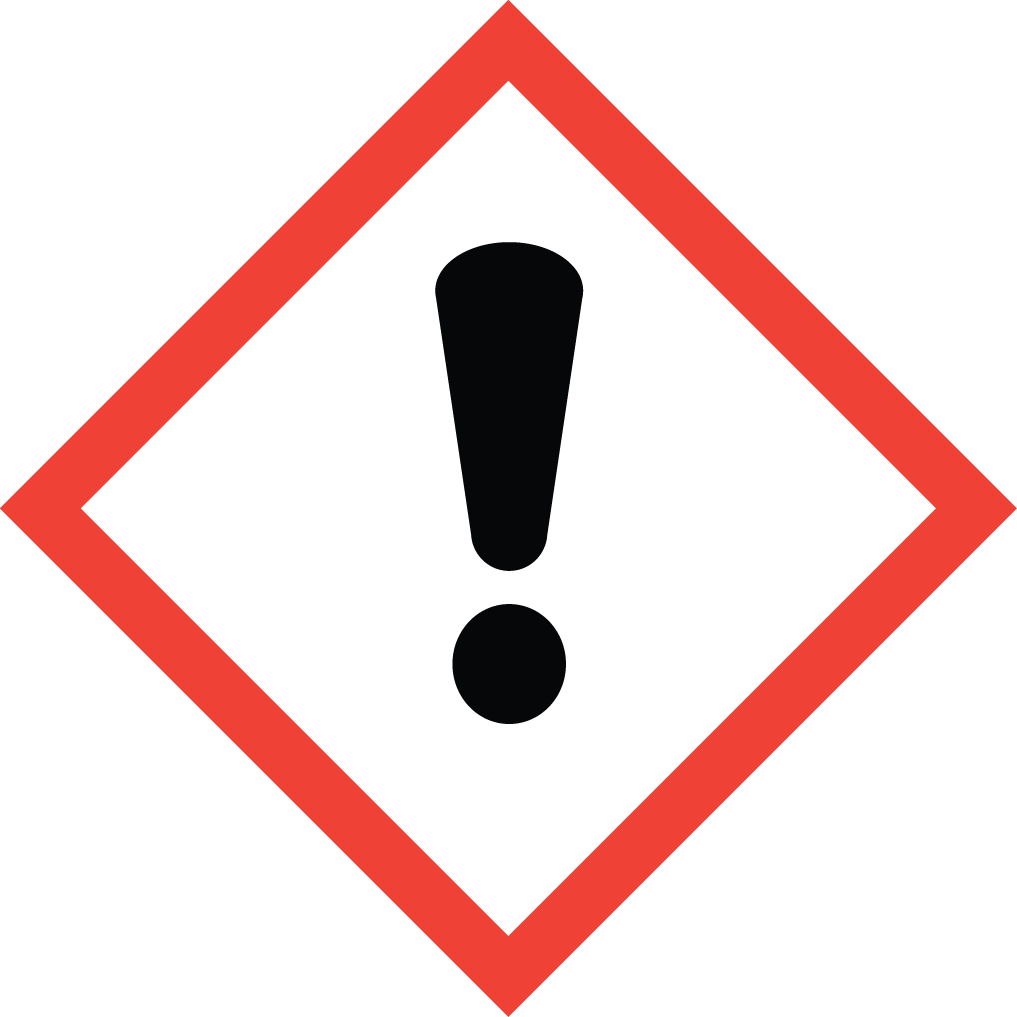
Pictogram

Signal Word
Danger
Hazardous Statements
- H302+H332Harmful if swallowed or if inhaled.
- H360May damage fertility or the unborn child.
- H373Causes damage to organs through prolonged or repeated exposure.
Precautionary Phrases
- P260Do not breathe dust/fume/gas/mist/vapours/spray.
- P264Wash skin thoroughly after handling.
- P270Do not eat, drink or smoke when using this product.
- P271Use only outdoors or in a well-ventilated area.
- P273Avoid release to the environment.
- P281Use personal protective equipment as required.
- P301+P312IF SWALLOWED: call a POISON CENTER or doctor/physician IF you feel unwell.
- P304+P340IF INHALED: Remove victim to fresh air and Keep at rest in a position comfortable for breathing.
Detailed Safety and Handling Information can be found on our Safety Data Sheet (SDS).
Learn about this element
