

Sodium Thiophosphate Hydrate
Properties

- We can offer items in bulk or custom. For other quantities or purities, please request a quotation.
- All prices are subject to change.
Information about Sodium Thiophosphate Hydrate / CAS 10489-48-2
Sodium Thiophosphate hydrate (Na3PO3S xH2O), also called trisodium thiophosphate or sodium monothiophosphate, is a crystalline powder which can range in color from white to pale yellow-green. It is hygroscopic, and soluble in water.
Thiophosphates are a group of compounds with the general formula [PS4-xOx]3- (x = 0, 1, 2, 3), where one or more of the oxygen atoms on the phosphate ion PO43- are substituted with a sulfur atom. There are also organic thiophosphates such as (RO2)PS2- where “R” represents an alkyl or aryl group. There are also thiophosphates formed by high-temperature solid state reactions with phosphorus- and sulfur-containing precursors creating [P2S6]4- or [PS4]3- subunits. Our product is Na3PO3S, the monothiophosphate.
Sodium Thiophosphate is mainly a laboratory reagent. For example, chemists at University of Cambridge discovered it enables thiolysis of cyanohydrins, forming thioamides via a sulfur-based nucleophilic reaction. Researchers at Durham University found it can also reduce azides to primary amines, achieving high yields under reflux conditions.
- Ritson, D. J., Xu, J., & Sutherland, J. D. (2017). Thiophosphate – A Versatile Prebiotic Reagent? Synlett, 28(01), 64–67. https://doi.org/10.1055/s-0036-1589414
- Norcliffe, J. L., Conway, L. P., & Hodgson, D. R. W. (2011). Reduction of alkyl and aryl azides with sodium thiophosphate in aqueous solutions. Tetrahedron Letters, 52(21), 2730–2732. https://doi.org/10.1016/j.tetlet.2011.03.083
Safety
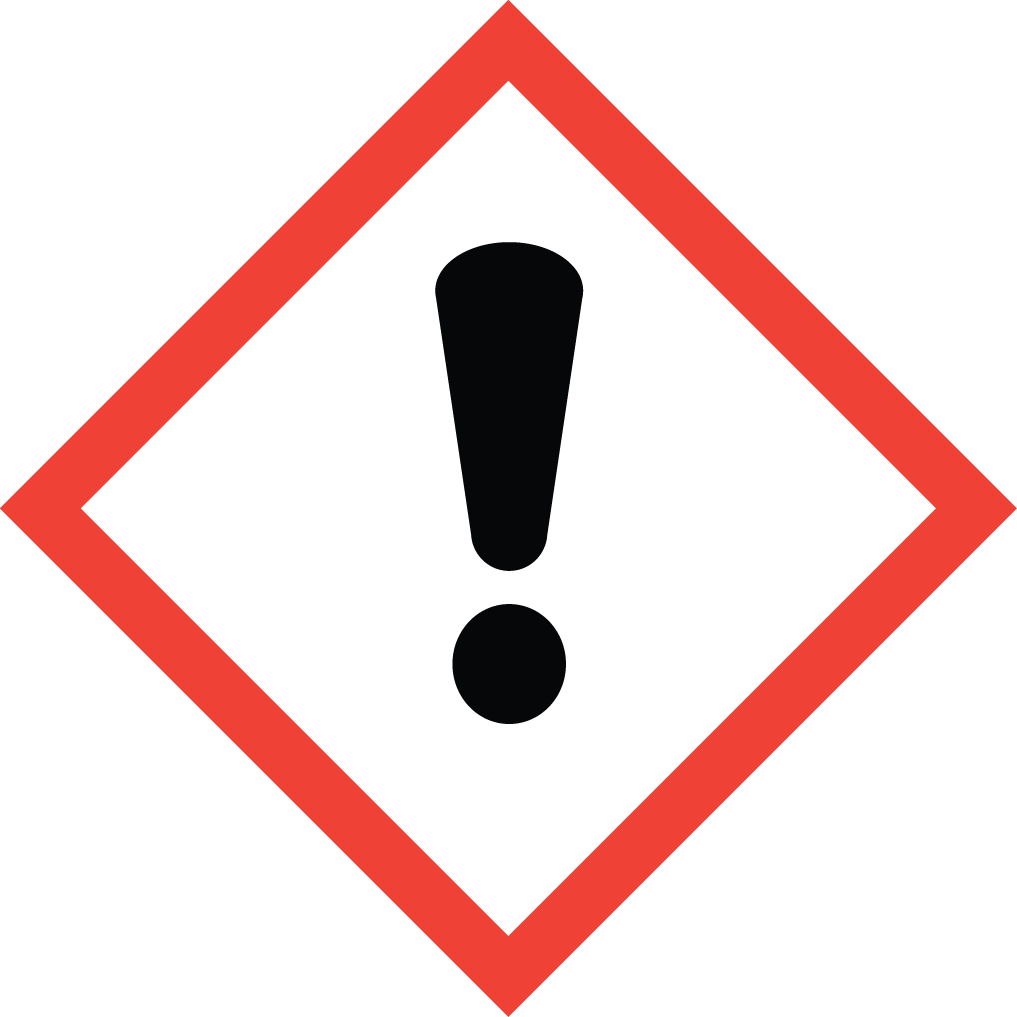
- H315Causes skin irritation.
- H319Causes serious eye irritation.
- H335May cause respiratory irritation.
- P261Avoid breathing dust/fume/gas/mist/vapours/spray.
- P264Wash skin thoroughly after handling.
- P271Use only outdoors or in a well-ventilated area.
- P280Wear protective gloves/protective clothing/eye protection/face protection.
- P302+P352IF ON SKIN: wash with plenty of soap and water.
- P304+P340IF INHALED: Remove victim to fresh air and Keep at rest in a position comfortable for breathing.
- P305+P351+P338IF IN EYES: Rinse cautiously with water for several minutes. Remove contact lenses, if present and easy to do. Continue rinsing.
- P312Call a POISON CENTER or doctor/physician if you feel unwell.
- P362Take off contaminated clothing and wash before reuse.
- P403+P233Store in a well-ventilated place. Keep container tightly closed.