
Nickel (II) Sulfate Hexahydrate
Properties
- We can offer items in bulk or custom. For other quantities or purities, please request a quotation.
- All prices are subject to change.
Related Products
Information about Nickel (II) Sulfate Hexahydrate / CAS 10101-97-0
Nickel Sulfate hexahydrate (NiSO4 •6H2O) is a blue-green crystalline material. The anhydrous form is yellow-green. Nickel Sulfate hexahydrate decomposes in air to form Nickel Oxide (NiO) above 787 degrees Celsius. It is water soluble and commonly used in electroplating, pigments, dyes, and mordants for dying. It is also used as a Nickel precursor in synthesis.
Both Nickel (II) Chloride and Nickel (II) Sulfate are common reagents used in Nickel electroplating solutions. Many commercial solutions contain both reagents. Nickel Sulfate is superior at improving the conductivity and metal distribution. It also determines the limiting cathode current density for the Nickel deposition.
Various metal salts serve as chemical mordants in the textile dyeing process. Nickel (II) Sulfate is one such example. These mordants enhance the colorfastness and color intensity of dyes employed, particularly when natural dyes are utilized.
Since Nickel ions are colored, Nickel salts can be used to create colored pigments. For example, a researcher from the Ukrainian State University of Chemical Engineering created a green-colored Nickel Aluminate pigment using Nickel Sulfate and Aluminum (III) Sulfate as the metal precursors. Nickel Hydroxide and Aluminum Hydroxide were precipitated from aqueous solutions by increasing the pH using Sodium Hydroxide solution. The obtained amorphous materials were then calcined at 850 degrees Celsius.
Since Nickel ions are redox-active, Nickel Sulfate is also used as a precursor for catalysts. For example, a researcher from the Dalian University of Technology in China used an aqueous Nickel (II) Sulfate solution to impregnate alumina mesh. After calcination, the obtained material was tested for its use as a heterogeneous catalyst. It exhibited high catalytic activity for alkene oligomerization, which is important in the oil refining industry.
- Di Bari, G. A. (2010). Electrodeposition of Nickel In Modern Electroplating (5th ed., Issue 1). John Wiley & Sons, Inc. https://doi.org/10.1002/9780470602638.ch3
- M. Kumaresan. (2021). Studies on Natural Dyes obtained from the Flower of Tecoma capensis. Journal of Environmental Nanotechnology, 10(1), 25–29. https://doi.org/10.13074/jent.2021.03.214433
- İşmal, Ö. E., & Yildirim, L. (2019). Metal mordants and biomordants. The Impact and Prospects of Green Chemistry for Textile Technology, 57–82. https://doi.org/10.1016/B978-0-08-102491-1.00003-4
- Frolova, L. (2019). An investigation on the synthesis of nickel aluminate. Pigment & Resin Technology, 48(6), 487–492. https://doi.org/10.1108/PRT-12-2018-0126
- Cai, T. (1999). Studies of a new alkene oligomerization catalyst derived from nickel sulfate. Catalysis Today, 51(1), 153–160. https://doi.org/10.1016/S0920-5861(99)00018-8
- Straszko, J., Mozejko, J., & Olszak-Humienik, M. (1995). Kinetics of thermal decomposition of nickel sulfate hexahydrate. Journal of Thermal Analysis 1995 45:5, 45(5), 1109–1116. https://doi.org/10.1007/BF02547483
Safety

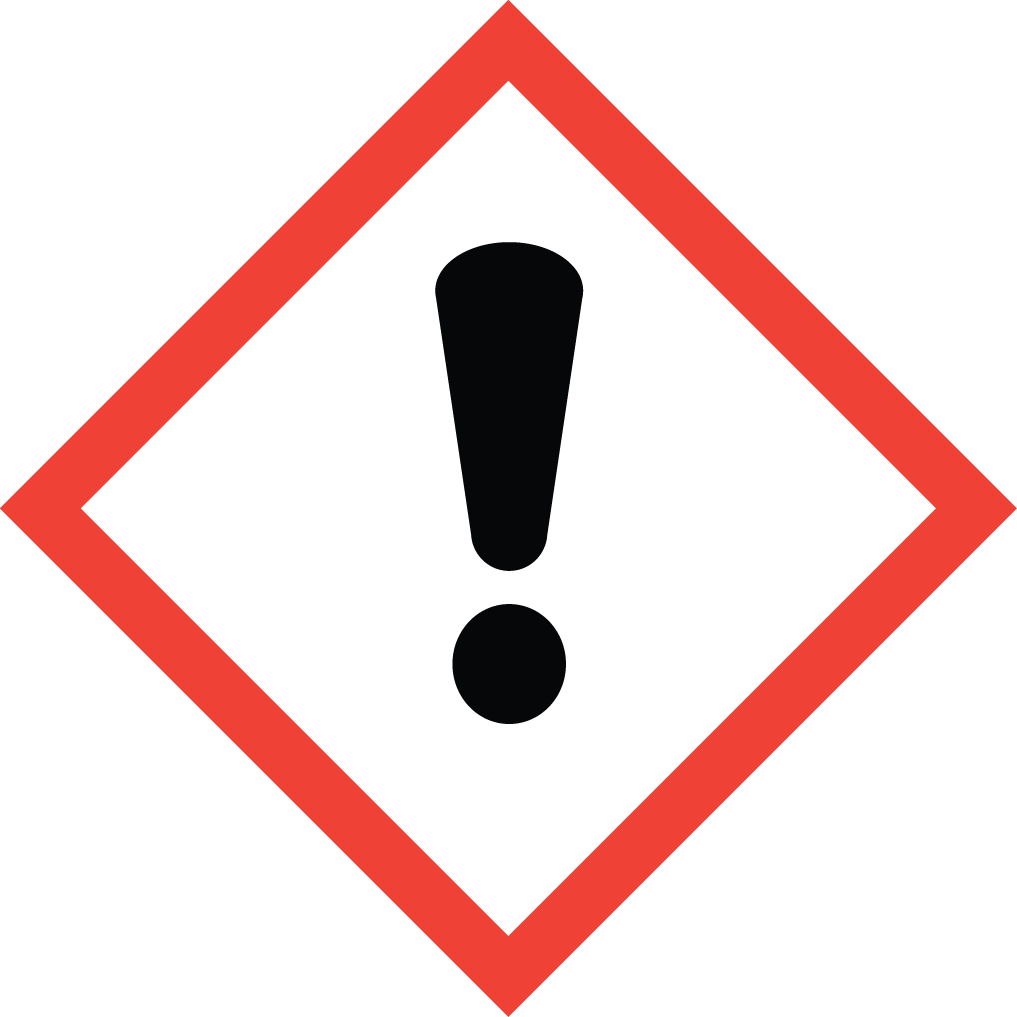
- H302+H332Harmful if swallowed or if inhaled.
- H315Causes skin irritation.
- H317May cause an allergic skin reaction.
- H334May cause allergy or asthma symptoms or breathing difficulties if inhaled.
- H341Suspected of causing genetic defects.
- H350May cause cancer.
- H360May damage fertility or the unborn child.
- H372Causes damage to organs through prolonged or repeated exposure.
- H410Very toxic to aquatic life with long lasting effects.
- P201Obtain special instructions before use.
- P202Do not handle until all safety precautions have been read and understood.
- P260Do not breathe dust/fume/gas/mist/vapours/spray.
- P271Use only outdoors or in a well-ventilated area.
- P272Contaminated work clothing should not be allowed out of the workplace.
- P280Wear protective gloves/protective clothing/eye protection/face protection.
- P301+P312IF SWALLOWED: call a POISON CENTER or doctor/physician IF you feel unwell.
- P302+P352IF ON SKIN: wash with plenty of soap and water.
- P304+P340IF INHALED: Remove victim to fresh air and Keep at rest in a position comfortable for breathing.
Learn about this element
