
Cadmium Acetate Dihydrate
Properties

- We can offer items in bulk or custom. For other quantities or purities, please request a quotation.
- All prices are subject to change.
Related Products
Information about Cadmium Acetate Dihydrate / CAS 5743-04-4
Cadmium Acetate dihydrate is a colorless, water-soluble crystalline material. It is highly toxic. It is used as a precursor for the preparation of solar cells, quantum dots, and novel coordination compounds.
For example, Cadmium phenylphosphonates are a type of coordination polymer with applications in gas storage and catalysis. In Berlin, researchers from the Federal Institute for Materials Research and Testing and Humboldt University developed mechanochemical synthesis methods for several types of Cadmium phenylphosphonates. They ball-milled Cadmium Acetate dihydrate, phenylphosphonic acid, and diethyl ether, varying the molar ratios of the reagents to obtain different compositions. The method proved rapid and efficient at preparing quality crystalline materials.
Cadmium Acetate can also be used to prepare thin-film Cadmium Sulfide materials for solar cells. Researchers from Sheffield Hallam University in the United Kingdom used Cadmium Acetate dihydrate and Ammonium Thiosulfate to electrolytically deposit a thin film of Cadmium Sulfide on a specialty glass substrate. They had struggled previously preparing suitable Cadmium Sulfide films using Cadmium Chloride because it is highly corrosive. After a brief heat treatment at 400° Celsius, they obtained a material with suitable structure and properties for use in their photovoltaic devices.
In addition to thin films, Cadmium Sulfide quantum dots also have potential applications in semiconductor applications such as photovoltaics, light emitting diodes, sensors, and optical devices. A group of researchers from several different universities in Egypt and Saudi Arabia performed a study comparing Cadmium Sulfide quantum dots prepared with different Cadmium precursors: Cadmium Acetate, Cadmium Nitrate, and Cadmium Chloride. The nanoparticles were synthesized from an aqueous solution of the Cadmium salt combined with mercaptoacetic acid. The mixture was basified and refluxed with thiourea for one hour. The nanoparticles were precipitated using isopropanol, and isolated by centrifugation. The quantum dots prepared with Cadmium Acetate had higher band edge emission, making them more suitable for luminescence and optoelectronic applications.
References
- Wageh, S., Maize, M., Donia, A. M., Al-Ghamdi, A. A., & Umar, A. (2015). Synthesis and Characterization of Mercaptoacetic Acid Capped Cadmium Sulphide Quantum Dots. Journal of Nanoscience and Nanotechnology, 15(12), 9861–9867. https://doi.org/10.1166/JNN.2015.10346
- Wilke, M., Batzdorf, L., Fischer, F., Rademann, K., & Emmerling, F. (2016). Cadmium phenylphosphonates: preparation, characterisation and in situ investigation. RSC Advances, 6(42), 36011–36019. https://doi.org/10.1039/C6RA01080F
- Alam, A. E., Cranton, W. M., & Dharmadasa, I. M. (2019). Electrodeposition of CdS thin-films from cadmium acetate and ammonium thiosulphate precursors. Journal of Materials Science: Materials in Electronics 2019 30:5, 30(5), 4580–4589. https://doi.org/10.1007/S10854-019-00750-1
Safety


- H301Toxic if swallowed.
- H312Harmful in contact with skin.
- H330Fatal if inhaled.
- H335May cause respiratory irritation.
- H340May cause genetic defects.
- H350May cause cancer.
- H372Causes damage to organs through prolonged or repeated exposure.
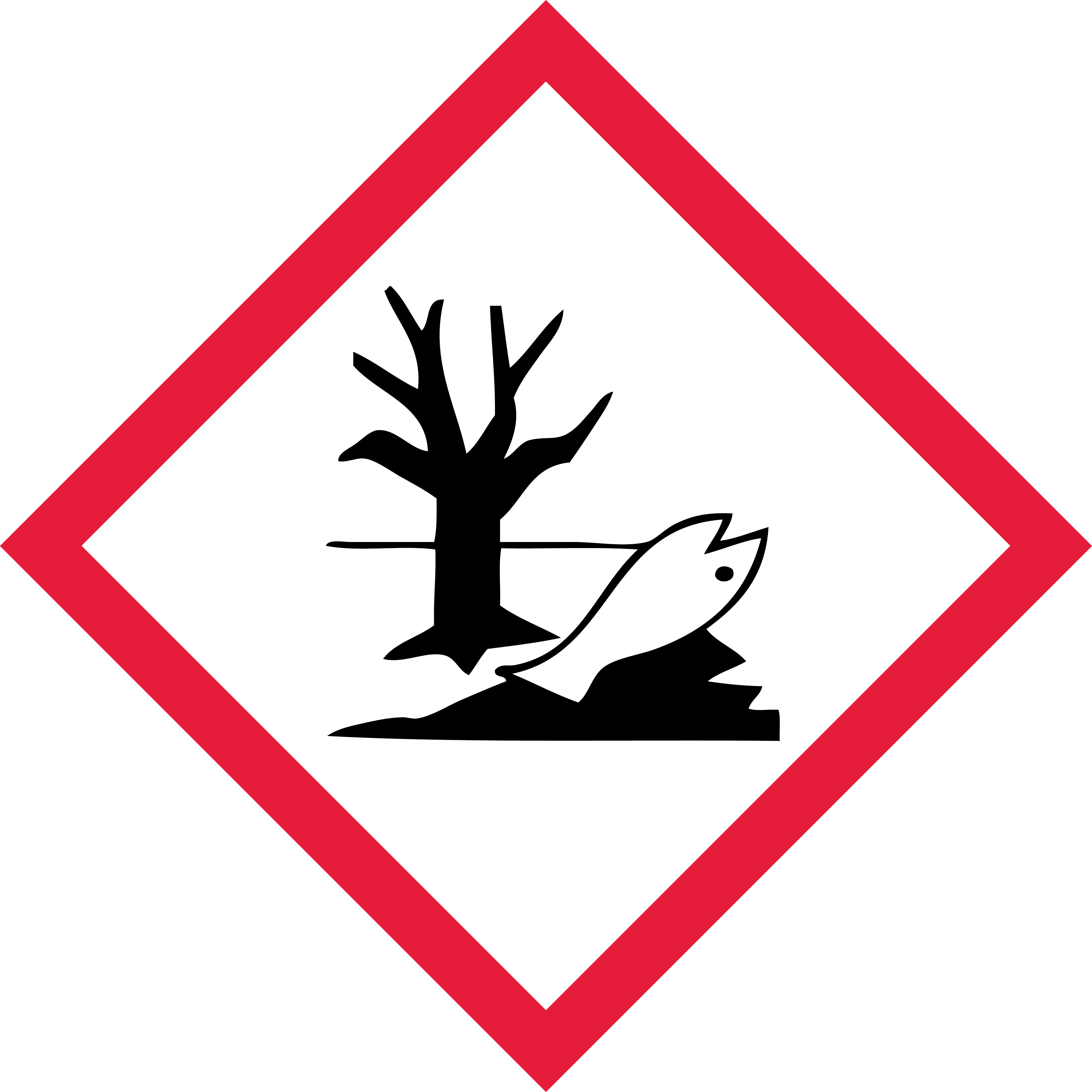
- H410Very toxic to aquatic life with long lasting effects.
- H302+H312+H332Harmful if swallowed, in contact with skin, or by inhalation.
- P260Do not breathe dust/fume/gas/mist/vapours/spray.
- P261Avoid breathing dust/fume/gas/mist/vapours/spray.
- P264Wash skin thoroughly after handling.
- P270Do not eat, drink or smoke when using this product.
- P271Use only outdoors or in a well-ventilated area.
- P280Wear protective gloves/protective clothing/eye protection/face protection.
- P301+P310+P330IF SWALLOWED: Immediately call a POISON CENTER or doctor/physician. Rinse mouth.
- P302+P352+P312IF ON SKIN: Wash with plenty of soap and water. Call a POISON CENTER or doctor/physician if you feel unwell.
- P304+P340IF INHALED: Remove victim to fresh air and Keep at rest in a position comfortable for breathing.
- P363Wash contaminated clothing before reuse.
Learn about this element
