
Ammonium Molybdate Tetrahydrate
Properties
- We can offer items in bulk or custom. For other quantities or purities, please request a quotation.
- All prices are subject to change.
Related Products
Information about Ammonium Molybdate Tetrahydrate / CAS 12054-85-2
Ammonium Molybdate tetrahydrate (NH4)6Mo7O24•4H2O is the most common hydrate of Ammonium Molybdate. It is also known as Ammonium Paramolybdate or Ammonium Heptamolybdate. Ammonium Molybdate is also used in catalyst production, as a corrosion-inhibitor in coatings, and as a Molybdenum precursor for synthetic processes.
Since Ammonium Molybdate tetrahydrate is water-soluble and has low toxicity, it makes a suitable fertilizer for Molybdenum deficiency in plants. Both the ammonium and molybdate ions are essential sources of nutrients, making it an ideal salt for this purpose. Both ions are used in nitrogen fixation and for nitrogen reduction.
Molybdate ions are a less toxic alternative than hexavalent chromate anions for corrosion inhibition in coating formulations. However, research in this area is ongoing because the performance does not yet match that of chromate-based coatings. Current research is investigating incorporating synergistic ions into the coatings to improve performance.
Ammonium Molybdate readily decomposes below 400° Celsius and can be used to prepare a variety of molybdenum-containing precursors, including: oxides, reduced oxides, mixed oxides, metal powder, or carbide. The ammonium ions decompose at high temperatures in an inert atmosphere to create a self-reducing environment, allowing for the preparation of metal powder in a faster reaction time and minimizing the use of hydrogen gas. In air, it can be thermally treated to prepare Molybdenum oxides, particularly Molybdenum Trioxide MoO3, a low-toxicity catalyst.
References
- Anderson, A. J. (1956). Molybdenum as a Fertilizer. Advances in Agronomy, 8(C), 163–202. https://doi.org/10.1016/S0065-2113(08)60689-6
- Yang, X. H., Zuo, Y. F., Feng, P. F., Wang, N., Li, J., Wang, Y. Q., Zhang, G. H., & Chou, K. C. (2023). Mechanism and kinetics of decomposition reaction of ultrafine ammonium molybdate for preparing ultrafine MoO3 powder. Materials Chemistry and Physics, 302, 127760. https://doi.org/10.1016/J.MATCHEMPHYS.2023.127760
- Milošev, I. (2024). Corrosion inhibition of aluminium alloys by molybdate ions: A critical review of the chemistry, mechanisms and applications. Corrosion Science, 229, 111854. https://doi.org/10.1016/J.CORSCI.2024.111854
- Walker, D. E., & Wilcox, G. D. (2008). Molybdate based conversion coatings for zinc and zinc alloy surfaces: a review. Transactions of the IMF, 86(5), 251–259. https://doi.org/10.1179/174591908X345022
- Yoo, K., Koo, W. B., Kim, H., & Lee, S. H. (2023). The Self-Reduction during the Thermal Decomposition of an Ammonium Molybdate. Minerals 2023, Vol. 13, Page 133, 13(2), 133. https://doi.org/10.3390/MIN13020133
- Kovács, T. N., Hunyadi, D., de Lucena, A. L. A., & Szilágyi, I. M. (2016). Thermal decomposition of ammonium molybdates. Journal of Thermal Analysis and Calorimetry, 124(2), 1013–1021. https://doi.org/10.1007/S10973-015-5201-0/METRICS
- Lunk, H. J., Hartl, H., Hartl, M. A., Fait, M. J. G., Shenderovich, I. G., Feist, M., Frisk, T. A., Daemen, L. L., Mauder, D., Eckelt, R., & Gurinov, A. A. (2010). “Hexagonal molybdenum trioxide” https://doi.org/https://doi.org/10.1021/ic101103g – Known for 100 years and still a fount of new discoveries. Inorganic Chemistry, 49(20), 9400–9408.
Safety
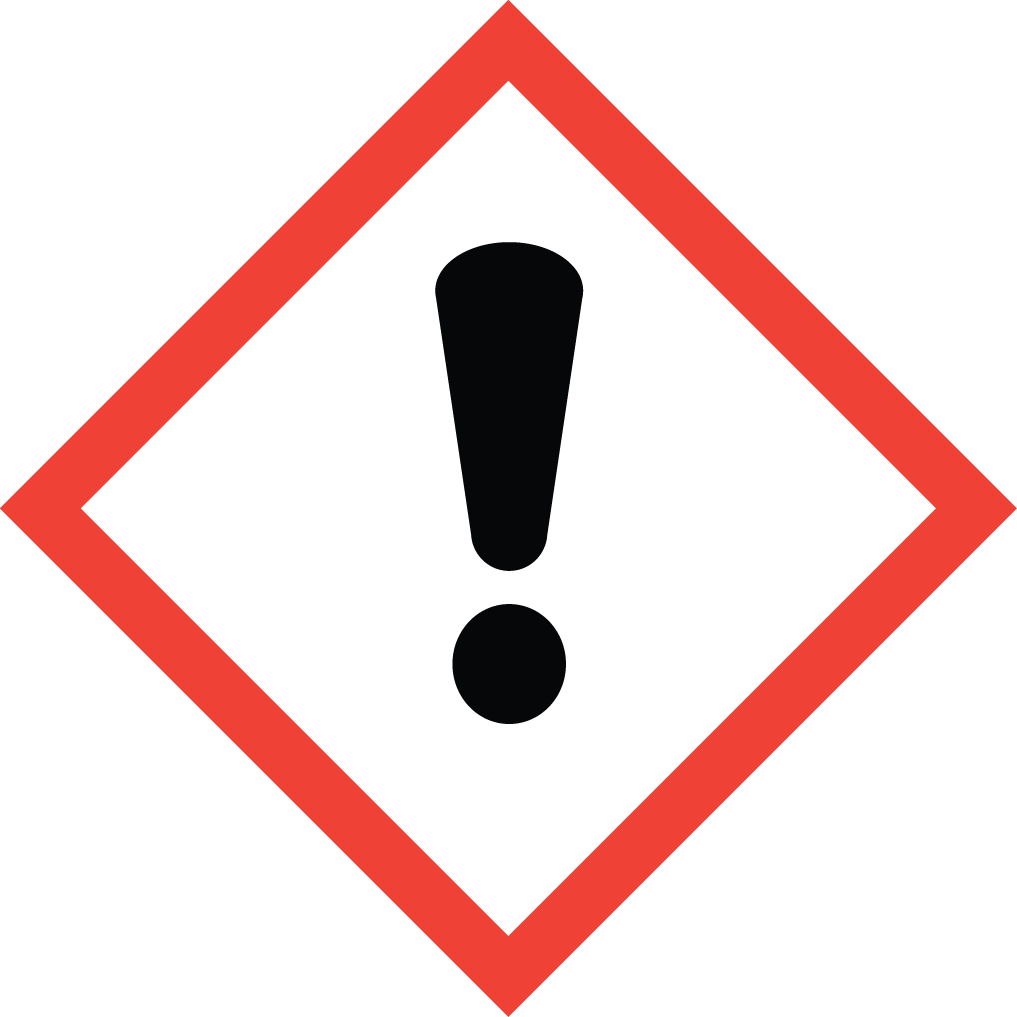
- H302Harmful if swallowed.
- H315Causes skin irritation.
- H319Causes serious eye irritation.
- H335May cause respiratory irritation.
- H402Harmful to aquatic life.
- P261Avoid breathing dust/fume/gas/mist/vapours/spray.
- P264Wash skin thoroughly after handling.
- P271Use only outdoors or in a well-ventilated area.
- P273Avoid release to the environment.
- P280Wear protective gloves/protective clothing/eye protection/face protection.
- P301+P312IF SWALLOWED: call a POISON CENTER or doctor/physician IF you feel unwell.
- P302+P352IF ON SKIN: wash with plenty of soap and water.
- P304+P340IF INHALED: Remove victim to fresh air and Keep at rest in a position comfortable for breathing.
- P305+P351+P338IF IN EYES: Rinse cautiously with water for several minutes. Remove contact lenses, if present and easy to do. Continue rinsing.
- P312Call a POISON CENTER or doctor/physician if you feel unwell.
- P332+P313IF SKIN irritation occurs: Get medical advice/attention.
- P337+P313IF eye irritation persists: Get medical advice/attention.